Hybrid Solar Power Systems
Hybrid solar plants are systems that combine the features of both on-grid and off-grid solar setups. They generate electricity from solar panels, use batteries to store excess energy, and are also connected to the public grid. This combination ensures continuous power supply, allows for energy storage, and provides the flexibility to use or sell surplus energy. Hybrid systems are becoming increasingly popular due to their reliability and efficiency.
Application:
Hybrid solar systems are widely used in residential homes, commercial buildings, and institutions where a consistent power supply is essential. They are ideal for locations that experience frequent power cuts or have unreliable grid supply. These systems are also suitable for users who want to reduce their dependency on the grid, save on electricity bills, and still have backup power during outages. Hybrid setups can also be scaled for industrial use, depending on power requirements.
Advantages & Disadvantages:
The biggest advantage of a hybrid system is its reliability. It ensures uninterrupted power supply by switching between solar, battery, and grid power as needed. Hybrid systems reduce electricity bills, offer energy independence, and provide backup power during blackouts. They also make use of net metering benefits where applicable. However, hybrid systems are more expensive than basic on-grid systems due to the cost of batteries and additional components. Battery maintenance and replacement also add to long-term costs, and the design is more complex compared to standalone systems.
Guidelines:
Before installing a hybrid system, a detailed assessment of the energy load and usage pattern is essential. Site conditions, such as solar exposure and space availability for panels and battery banks, must be carefully reviewed. System sizing should ensure that both solar generation and battery storage match the energy needs, including backup during outages. Local regulations, net metering policies, and safety codes must be followed. Only certified installers should be hired to ensure correct installation and integration.
Design:
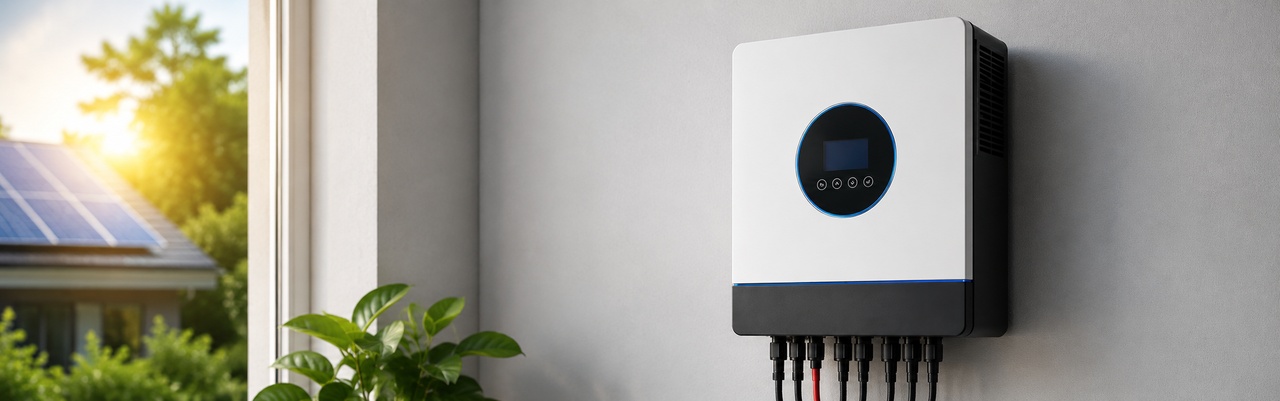
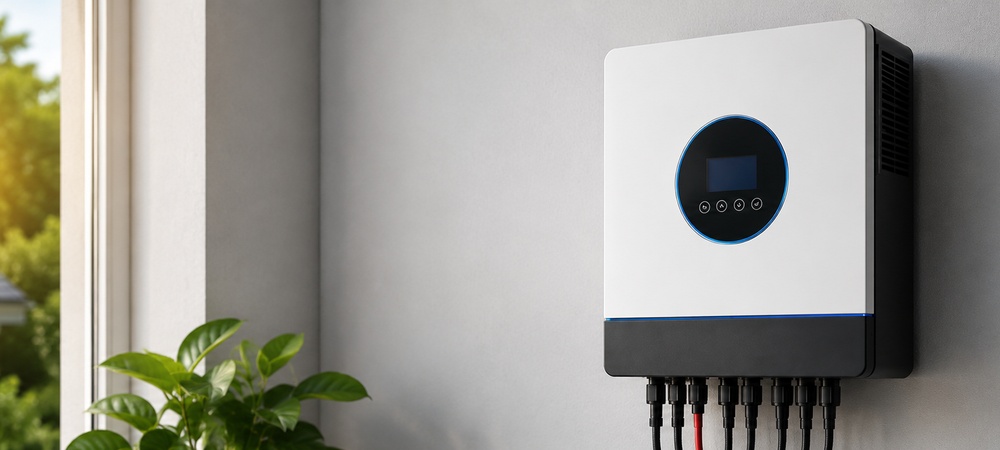
The design of a hybrid system begins with load calculation and analysis of critical and non-critical loads. The solar array is sized based on average daily consumption and battery autonomy requirements. A hybrid inverter, which can manage power from solar panels, batteries, and the grid, is chosen according to the load capacity. The battery bank is designed based on the desired backup duration. The system layout includes proper panel orientation, inverter placement, and safety devices like surge protection, breakers, and fuses for smooth and safe operation.
Integration:
Integration of hybrid systems requires careful planning. The solar array is connected to the hybrid inverter, which intelligently manages the flow of electricity between solar panels, batteries, grid, and the loads. The inverter ensures that solar energy is prioritized, then battery storage, and finally the grid supply when required. Integration may also include a diesel generator as a backup source. A smart energy management system can be used to monitor power flows and switch between sources automatically.
Maintenance:
Hybrid systems require regular maintenance to ensure long-term performance. Solar panels should be cleaned periodically to maintain efficiency. Battery banks need careful monitoring, including checks on charge cycles, temperature, and performance levels. Inverter firmware should be updated as needed, and system logs should be reviewed regularly through monitoring software. Electrical connections must be checked for tightness and corrosion. Preventive maintenance helps extend the system’s life and ensures optimal performance.