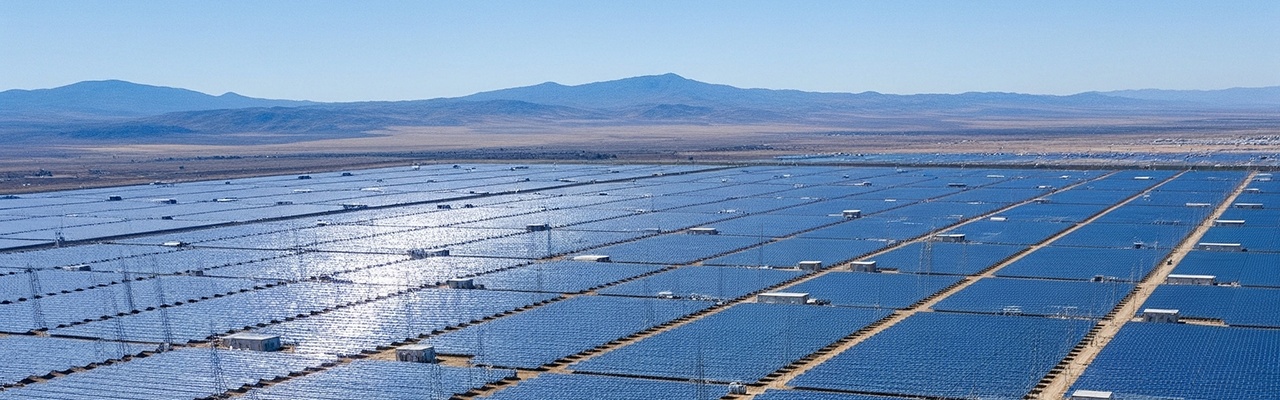
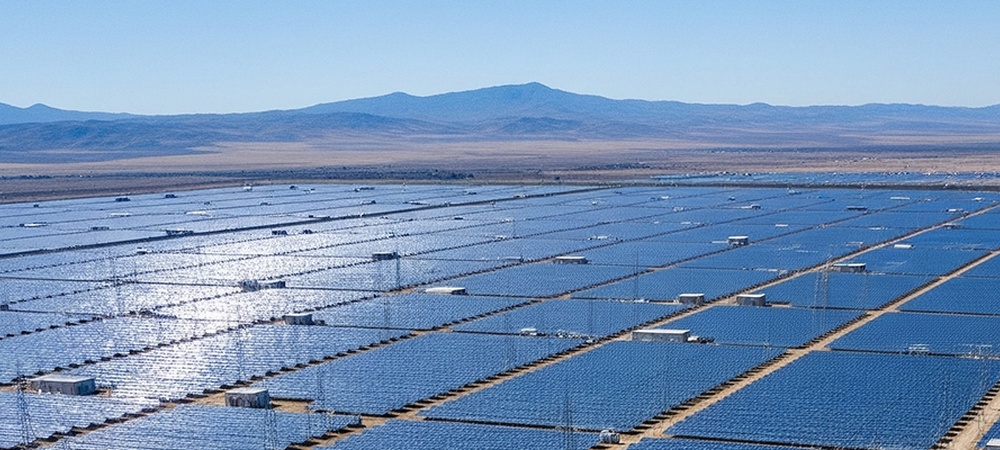
Mega Watt Solar Power Plant
Mega Watt (MW) solar power plants are large-scale energy generation systems typically used for utility-scale electricity production. These plants are designed to supply power to the national grid or large industrial operations. With capacities ranging from 1 MW and beyond, these systems play a critical role in meeting the energy needs of cities, industrial zones, and infrastructure projects while contributing significantly to national renewable energy targets.
Types of Solar Power Plants
There are three primary types of Mega Watt solar power plants: on-grid, off-grid, and hybrid systems. An on-grid solar plant is connected to the main utility grid and supplies electricity directly into the grid. These are the most common for utility-scale projects and support government-run power distribution. Off-grid solar plants operate independently and are usually set up in remote locations where grid access is unavailable. They require large battery banks to store energy. Hybrid systems combine grid connectivity with energy storage, ensuring uninterrupted power supply even during grid outages or peak demand times.
Guidelines
Developing a Mega Watt solar power plant requires detailed planning, regulatory compliance, and financial viability analysis. Site selection is critical and should consider factors like solar radiation levels, land availability, proximity to grid infrastructure, and environmental impact. Developers must obtain approvals from multiple government agencies including environmental clearances, grid connection permissions, and land use rights. A detailed project report (DPR), power purchase agreement (PPA), and financial closure are mandatory before proceeding with construction.
Technologies
Mega Watt plants use advanced solar technologies to maximize efficiency and durability. Monocrystalline and bifacial panels are widely used due to their high output and long lifespan. Central inverters handle large-scale power conversion, while solar tracking systems are often installed to adjust panel angles for optimal sunlight capture throughout the day. These plants also include SCADA systems (Supervisory Control and Data Acquisition) for real-time monitoring and automation, along with grid-tie transformers and switchyards for safe and efficient power distribution.
How to Design?
Designing a Mega Watt solar plant starts with a feasibility study and solar resource assessment using tools like solar mapping and irradiation analysis. Engineers then determine the plant capacity, system layout, and land requirements. Electrical system design includes sizing of panels, inverters, transformers, and grid synchronization equipment. Civil design covers foundations, roads, fencing, and drainage systems. Environmental and safety standards are also factored into the design. A well-prepared project design ensures optimized energy generation, cost efficiency, and long-term performance.
Integration
Integration focuses on linking the solar plant with the national power grid or a captive load center. It includes substation development, power evacuation lines, and protection systems to ensure smooth and safe energy transmission. Energy Management Systems (EMS) and SCADA platforms are installed for automated control, fault detection, and performance analytics. Synchronization with grid frequency and voltage standards is critical, and protective relays, circuit breakers, and backup power systems are also incorporated.
Inspection
Mega Watt plants undergo several layers of inspection at different stages. Pre-construction inspections confirm site readiness and compliance with planning norms. During construction, quality checks are carried out on materials, workmanship, and safety protocols. Before commissioning, functional testing of panels, inverters, transformers, and monitoring systems is performed. Regulatory bodies conduct final inspections to grant grid-connection approval and operational licenses. Periodic third-party audits may be required to ensure continuous compliance and performance.
Maintenance
Maintenance of Mega Watt solar plants is crucial for uninterrupted and optimized performance. This includes routine cleaning of panels, monthly electrical inspections, and monitoring of inverter and transformer health. SCADA systems alert maintenance teams to any faults or performance drops, allowing for quick resolution. Predictive maintenance tools are often used to identify potential issues before they lead to failures. A dedicated operation and maintenance (O&M) team ensures system availability, supports warranty claims, and improves overall plant efficiency.
Get our support
Contrary to popular belief, Lorem Ipsum
is not
simply random text.