On-Grid (Grid-Tied) Solar Power Systems
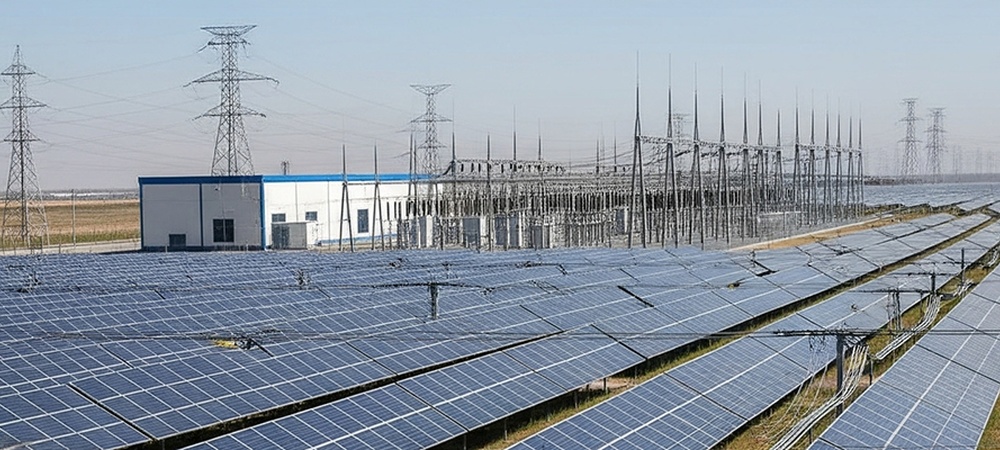
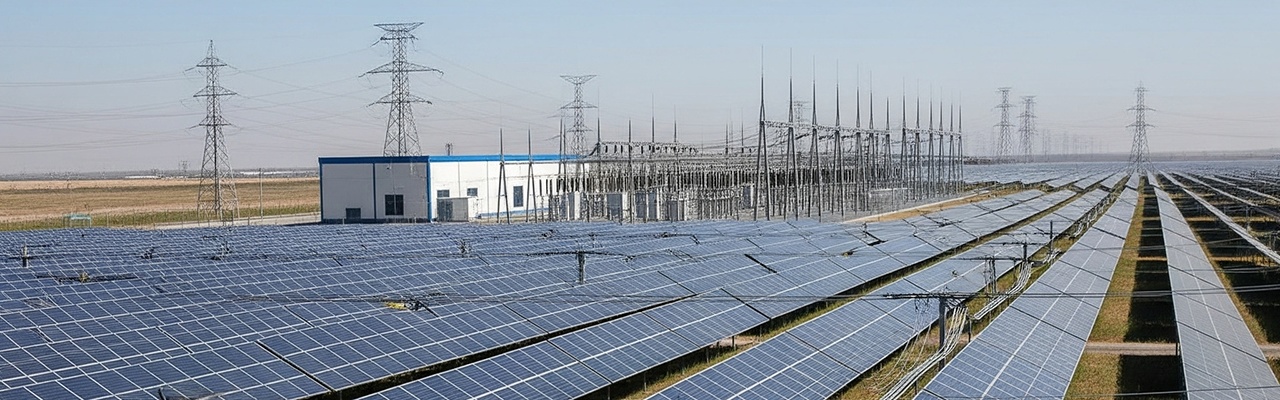
On-grid solar plants are systems that are directly connected to the public electricity grid. These systems generate solar power during the day and supply it to the grid or the building’s power supply. Excess electricity can be exported to the grid through net metering, and power can be drawn from the grid when solar production is insufficient. This setup is ideal for reducing electricity bills and supporting clean energy generation without requiring battery storage. To improve system efficiency, solar panels are installed at a tilt angle optimized for the site's latitude and longitude. Proper angle alignment ensures the panels capture maximum sunlight throughout the year, increasing overall energy generation.
Technologies:
The core components of an on-grid system include solar PV panels, grid-tied inverters, and safety disconnects. The inverter plays a crucial role in converting DC electricity from the panels to AC electricity that matches grid specifications. Today, solar panel technology has advanced with the introduction of half-cut cells, bifacial panels, and TOPCon panels, which offer higher efficiency, better performance in shaded conditions, and improved energy yield. On the inverter side, hybrid inverters allow optional battery integration for limited backup, while micro inverters optimize each panel individually, reducing the impact of shading or panel mismatch. Many systems also use smart energy meters or net meters that track the flow of electricity to and from the grid. Advanced monitoring systems enable real-time performance tracking, fault detection, and improved system diagnostics for better maintenance and efficiency.
Advantages & Disadvantages:
One of the main advantages of on-grid systems is cost-efficiency, as they do not require batteries, which are expensive and need regular maintenance. They allow users to reduce their electricity bills through net metering and are relatively simple to install and maintain. On the downside, on-grid systems do not provide power during grid outages, since safety protocols shut down the system when the grid is down to protect utility workers. This dependence on grid availability is a limitation in areas with frequent power cuts.
Guidelines:
Installation of an on-grid system should comply with local regulations and utility provider requirements. It is important to secure the necessary permits and approvals, including grid connection agreements and net metering arrangements. Site assessment must ensure proper panel orientation and minimal shading. Certified and approved components should be used, and all electrical installations must be done by trained professionals with knowledge of grid-interactive systems.
Design:
The design process starts with an assessment of the user’s energy consumption patterns and available roof or land area. The system is then sized to offset a significant portion of the electricity usage. The design includes proper alignment and tilt angle for solar panels to maximize sunlight exposure. The inverter is selected based on total panel capacity and grid compatibility. Protection devices such as fuses, breakers, surge arresters, and earthing systems are included to ensure safety and compliance.
Integration:
Integration involves connecting the solar system to the existing electrical infrastructure and the utility grid. The grid-tied inverter is responsible for synchronizing the solar power output with grid voltage and frequency. A bidirectional energy meter (net meter) is installed to record the energy imported from and exported to the grid. Integration also includes setting up remote monitoring tools that allow users to track solar generation, energy usage, and export in real time.
Inspection:
Routine inspection of on-grid systems helps maintain performance and safety. Panels should be checked for dust, shading, or physical damage. The inverter should be monitored for alerts or error codes, and all electrical connections must be secure and corrosion-free. Net meters and protection systems should be tested to ensure they function correctly. Periodic inspections, especially before peak sunlight seasons, help maximize energy production and system lifespan.
Maintenance:
On-grid systems require relatively low maintenance. Regular cleaning of panels is essential to avoid loss of efficiency due to dirt or bird droppings. The inverter should be checked periodically for performance indicators or faults. Electrical connections must be tightened and checked for signs of wear or overheating. Monitoring software should be reviewed frequently to ensure the system is operating within expected parameters. Most issues can be identified early through remote performance tracking, minimizing the need for on-site servicing.