Solar Farming
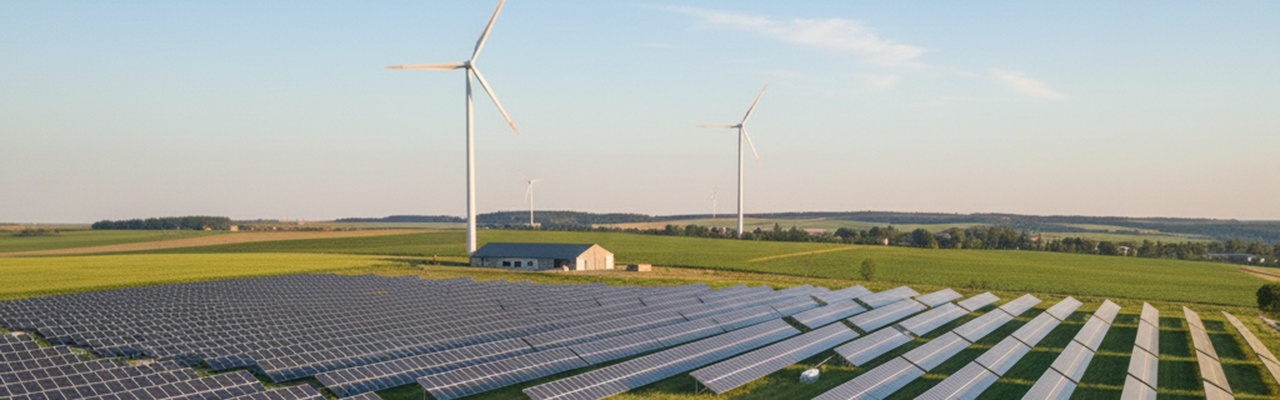
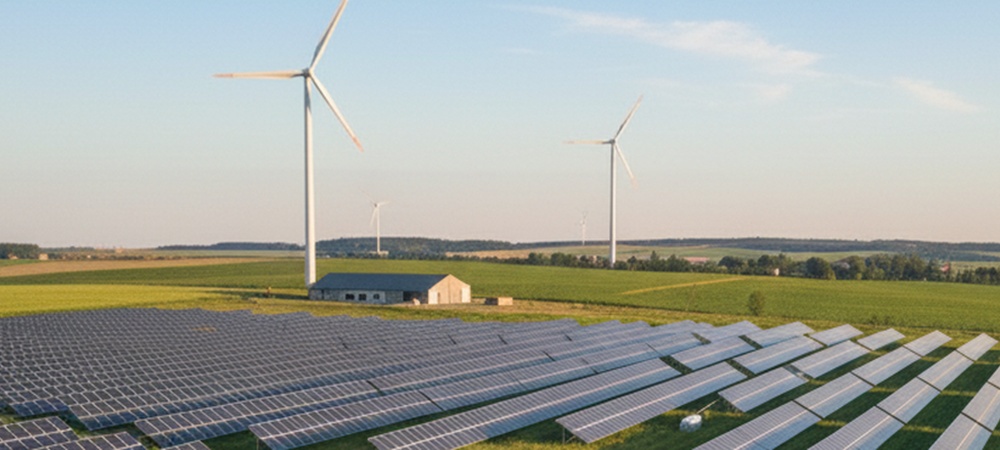
Solar farming is the use of large open land to install multiple solar panels that generate electricity from sunlight. It is a clean, renewable, and eco-friendly way to produce energy that can power homes, businesses, or be sold to the grid. Solar farms help reduce pollution and support the move toward sustainable energy sources.
Application:
Solar farms are mainly used to produce electricity on a large scale. The energy generated can be used locally or supplied to the main power grid. This makes solar farms ideal for supplying power to towns, industries, or even helping farmers earn income by selling electricity. They are usually built in rural areas, unused lands, or open spaces with good sunlight.
Guidelines:
Before setting up a solar farm, it's important to choose land that receives full sunlight throughout the year. The land should be flat or slightly tilted and free from shade. Permissions must be obtained from local authorities and electricity boards. It's also important to make sure the land is not used for farming essential crops or protected areas. You should check for government subsidies or incentives to help reduce costs and follow local building and electrical safety rules.
How to Design?:
Designing a solar farm starts by calculating how much electricity you want to produce. Based on this, you decide how many panels and inverters are needed. Next, inspect the land to measure its size, sunlight direction, and angle. The solar panels should be arranged in a way that they get maximum sunlight and don’t block each other. You’ll also need to plan for safe mounting structures, access roads, and fencing around the area for protection and easy maintenance.
Integration:
Integration involves connecting the solar farm to the local electricity grid. This includes installing inverters to convert DC power from the panels into AC power for use. Transformers, cables, and meters are also added to manage the flow of electricity. Net metering helps track how much energy is being sent to the grid and how much is used. Monitoring tools like apps and dashboards can help keep track of energy production and performance.
Inspection:
Inspection is important at different stages of the project. Before installation, the site is inspected for sunlight and land condition. During installation, checks are done to make sure panels are securely fixed, wiring is safe, and the setup follows the design plan. After the system is installed, it is tested for proper performance. In many cases, a final inspection by the government is required to approve grid connection and qualify for subsidies or net metering.
Maintenance:
Maintaining a solar farm is simple but necessary to keep it working well. Solar panels should be cleaned regularly to remove dust, bird droppings, and leaves that block sunlight. After bad weather, the system should be checked for any damage. The inverters, wiring, and support structures should be inspected at least once a year. Monitoring systems help track performance and alert you to any problems so they can be fixed quickly.