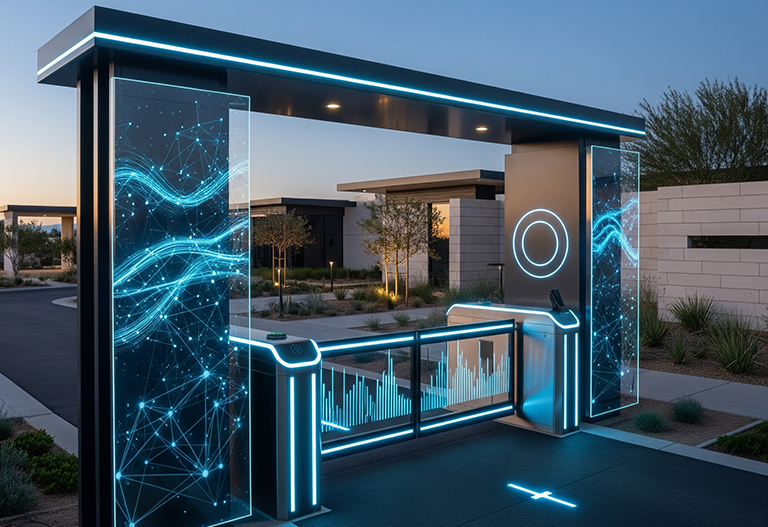
Gate automation is about selecting the right motor to open and close your existing gate easily and smoothly. At Welde Engineering, we help you choose the best machine for your gate—whether it’s a swing, sliding, rolling, or folding type. We do not help with choosing or installing the gate itself. Instead, we focus on finding the most suitable motor system that matches your gate’s size and type.
We look at important details like the weight, height, length, and material of the gate to suggest the right motor. These details help us recommend the best brand and model that will work reliably for your specific needs. Whether the gate is for a house, office, or institution, we ensure that the machine we suggest is strong, long-lasting, and works well for the type of gate you already have.
Along with helping you choose the motor, we also give support for proper installation based on the brand’s guidelines. We also advise on regular maintenance to keep the system working well—this includes cleaning, oiling moving parts, checking sensors, and making sure the controls are working right. With Welde Engineering, you get the right motor system, proper setup advice, and tips to keep it running smoothly for years.
Remember Your Reasons
Before installing a gate motor system, it's important to ask yourself: “Why do I want to automate this gate?” Your reason—whether it’s for safety, ease of access, or reducing manual effort—will help you choose the most suitable automation solution. While the gate's design, look, and structure are not part of our service, knowing your purpose helps us recommend the right type of motor that works best for your gate.
Every property and gate is different. Some people want quick access with a remote or sensor; others want a system that works quietly and smoothly throughout the day. By clearly understanding your goal, we can suggest a motor that meets your needs—whether it's a powerful system for a heavy gate or a compact one for smaller spaces.
At Welde Engineering, we guide you in selecting the ideal gate automation system based on your gate’s size, material, and movement type. Remembering your reason helps ensure you get a system that adds real value, works reliably, and supports your daily routine without hassle.
Come Up With a Budget
When planning for an automatic gate, it’s important to decide on a budget early on. With so many gate types and features available, having a clear idea of how much you’re willing to spend will help narrow down your options. While cheaper gate systems might seem attractive at first, they often wear out faster and may require more frequent repairs and maintenance, which can lead to higher long-term costs. Investing in a quality gate and trusted components from the beginning can save you money and trouble over time. As gate automation experts, we can help you find the best solution that fits both your needs and your budget, ensuring lasting performance and satisfaction.
Learn About the Products
The more you understand about automatic gates, the better decisions you can make. Take time to research the different types of gates available, such as swing gates, double swing gates, and sliding gates, to find the one that best suits your property. It's also helpful to know a bit about gate openers, the materials used, and any extra features like intercom systems or safety sensors. When you're informed, you’ll feel more confident when speaking with a gate installation company. This knowledge will help you ask the right questions and ensure that the system you choose fits your needs, lifestyle, and budget from the very beginning.
Select a Location For the Gate
Selecting the right location for your automated gate is a crucial part of the installation process. The position of the gate directly influences the type of gate system—swing, sliding, or folding—that will be most suitable. In most residential settings, gates are installed at the entrance of the driveway, typically between two fence lines. This setup is often straightforward and allows for a clean and functional installation. However, if your property has a unique layout or a longer driveway, additional considerations such as access control features (like intercoms or telephone entry systems) may be necessary to ensure visitors can easily enter or exit the premises.
It’s also important to think about the physical space around the proposed gate area. Swing gates need room to open inward or outward, while sliding gates require enough lateral space to move along the fence line. Factors like trees, slopes, uneven surfaces, or nearby structures can affect the gate’s movement and overall performance. Proper planning with the help of a professional installer can ensure that the gate is not only placed in the most practical location but also functions efficiently and adds to the safety and appearance of your property.
Shop the Various Designs
Once you've decided on the type of automated gate—swing, sliding, or folding—the next step is to explore design options. Gate design plays a major role in the overall appearance of your property and should reflect both your personal style and the existing architecture. If your property already has a fence, choosing a gate that complements it will create a more cohesive and visually appealing look. From classic and minimalist styles to more decorative and artistic designs, there are plenty of options to choose from depending on your taste and the character of your home or facility.
Beyond appearance, it’s essential to focus on the durability and performance of the design. A beautiful gate won’t be helpful if it doesn’t function reliably over time. Look for high-quality materials and finishes that can withstand weather conditions and require minimal maintenance. Ensure that the design not only enhances your property's curb appeal but also aligns with your needs for security, privacy, and long-term use. A well-designed and well-built gate adds lasting value and functionality to any entrance.
Compare the Contractors
Once you’ve shortlisted potential gate automation contractors, it’s important to evaluate them carefully before making a decision. Start by checking how long they’ve been in the industry and how many installations they’ve completed. Experience matters, especially for something as technical as automated gates. A well-established contractor is more likely to deliver reliable service and high-quality workmanship. Don’t hesitate to ask for client references or examples of past projects to better understand their capabilities.
It’s also helpful to know if the contractor specializes in specific gate materials or types—such as wrought iron, stainless steel, or aluminium . Additionally, confirm whether they offer after-sales support or have a dedicated customer service team. This will be crucial in case you face any issues or require maintenance in the future. Choosing a contractor with strong customer support ensures peace of mind and a smooth experience throughout the installation process and beyond.
Make Your Selection
After researching and comparing your options, it’s time to choose the right contractor for your gate installation. Focus on selecting a team that is not only experienced but also transparent in their process. A good contractor will provide you with a detailed quote, proposed timeline, and clear answers to all your questions. They should also help guide you through the remaining steps, including site preparation and necessary permits if required.
Since installing an automated gate involves a significant investment, it’s important to ensure the installation is done right the first time. A professional contractor will carry out the work efficiently, using quality components to ensure long-term durability and smooth functioning. Choosing the right partner now can help you avoid costly repairs or service issues in the future.
Have Your Gate Installed
Once you've completed the planning process and selected the right contractor, the final step is installation. Before the actual work begins, your contractor should provide you with a checklist of pre-installation tasks. This may include clearing the installation area, ensuring power supply access, or making space for control units. Following these instructions carefully will help avoid any delays and ensure a smooth installation process.
Once everything is prepared, the professionals will take over and begin installing your automated gate system. A reliable team will carry out the job with precision, making sure that all components are securely fixed, aligned, and tested for performance. After the installation is complete, you can enjoy the convenience, security, and enhanced appearance of your new automated gate system with peace of mind.
Think About Maintenance
Once your automatic gate is installed, regular maintenance is essential to keep it functioning smoothly and safely. Just like any other mechanical system, your gate requires periodic checks to prevent wear and tear. Many gate installation companies offer scheduled maintenance plans—monthly, quarterly, or annually—based on your usage and gate type.
With a proper maintenance plan, a qualified technician will inspect and test your gate system to ensure all parts are working correctly. They’ll identify potential issues early, such as motor strain, sensor misalignment, or wear in moving parts, allowing you to fix them before they become serious problems. Regular maintenance not only extends the lifespan of your gate but also gives you peace of mind knowing it’s always in good working condition.