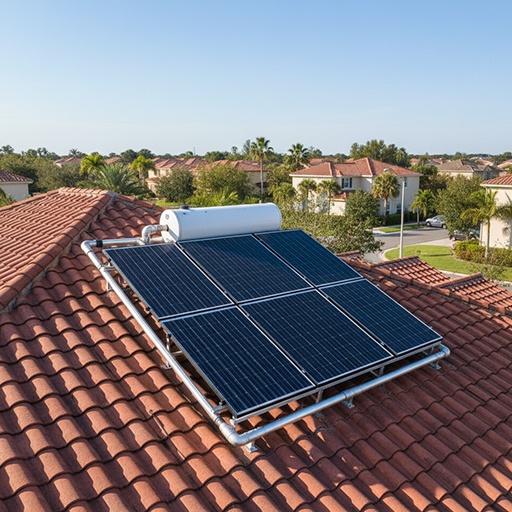
When choosing a solar water heater, the type of system plays a vital role. The two main types are Flat Plate Collectors (FPC) and Evacuated Tube Collectors (ETC). FPCs are highly durable and suitable for hard water areas, while ETCs are cost-effective and work efficiently in colder climates. For a 3–6 member household, a 100–200 liter per day (LPD) capacity system is generally sufficient. It's essential to consider the daily water consumption, roof space availability, and sunlight exposure to select the appropriate size and type.
The application mainly covers domestic water heating for bathing, washing, and kitchen use. These systems are usually installed on rooftops and connected directly to the plumbing. The accessories required—such as insulated water tanks, pipes, valves, and stands—should meet ISI standards. Use stainless steel inner tanks and PUF insulation to ensure durability and heat retention. High-quality GI or SS mounting structures should be chosen for long-term stability and corrosion resistance.
Important Things to Know Before Choosing a Solar Water Heater
Selecting the right solar water heater is essential for long-term performance, efficiency, and value. The first step is choosing the suitable system type based on your location and water quality. Flat Plate Collectors (FPC) are highly durable and the best choice for areas with hard water, whereas Evacuated Tube Collectors (ETC) are more affordable and perform efficiently in colder climates. It’s also important to choose the right capacity—typically, a 100–200 LPD system is ideal for a household of 3–6 members. While deciding, consider factors like daily hot water usage, roof space availability, and the amount of sunlight your terrace receives to ensure maximum efficiency.
Equally important is selecting high-quality materials and accessories for installation. Solar water heaters are commonly used for domestic purposes such as bathing, washing, and kitchen needs, and are usually installed on rooftops with a direct plumbing connection. To ensure durability and long-term performance, opt for ISI-certified pipes, valves, and fittings, choose stainless steel inner tanks with PUF insulation for better heat retention, and use GI or SS mounting structures to withstand weather and prevent corrosion. With the right system and components, a solar water heater can provide reliable hot water for over a decade with minimal maintenance.
ChatGPT said:
Advantages of Solar Water Heating Systems
Solar water heaters offer many simple and practical benefits for everyday use. The biggest advantage is saving money on electricity or gas bills, since sunlight is free. Once the system is installed, it uses solar energy to heat water, helping you reduce monthly energy costs. It is also a clean and eco-friendly option because it cuts down pollution and reduces the use of non-renewable fuels.
These systems are easy to use, safe, and need very little maintenance. A good solar water heater can last for many years without major repairs. They do not require fuel storage and work quietly. With the help of a backup heater, solar water heaters can provide hot water even during cloudy days or winter. Installing a solar water heater also adds value to your home and supports a more sustainable lifestyle, making it a smart long-term investment.
Compatibility of Solar Water Heating Systems
Solar water heaters are designed to suit different types of homes, weather conditions, and water usage needs. They work well in most regions that receive a good amount of sunlight throughout the year. These systems can be installed on rooftops of houses, apartments, and even commercial buildings, as long as there is enough open space with direct sunlight. Solar water heaters are also compatible with normal plumbing lines, making it easy to connect them to bathrooms and kitchens for daily use.
Different models are available to meet various water quality and pressure needs. Some systems are suitable for hard water areas, while others work well in cold climates. Pressurized systems can provide strong water flow for modern bathrooms with shower panels, and non-pressurized systems are ideal for regular household use. With the right type of system chosen based on water quality, climate, and family requirements, a solar water heater can work smoothly and efficiently in most households.
Latest Technology in Solar Water Heating Systems
Modern solar water heaters have advanced significantly, offering better efficiency, durability, and performance across various climates. Newer systems now use enhanced heat absorption methods, improved insulation, and smart controls to reduce heat loss and increase reliability. Evacuated Tube Collectors (ETC) are now designed with triple-layer borosilicate glass tubes that retain heat more effectively, while Flat Plate Collectors (FPC) use high-grade copper absorbers with selective coatings to improve solar energy conversion. Many updated models also support hybrid operation, allowing the system to work alongside electric or heat pump technology to ensure uninterrupted hot water even during cloudy or low-sunlight conditions.
These technological upgrades not only improve efficiency but also enhance user convenience and product lifespan. Modern solar water heaters may include smart controllers, automatic temperature cut-off features, and sensors that prevent overheating. Storage tanks now commonly use PUF insulation and stainless steel inner layers for better heat retention and long-term durability. Hard water–compatible systems, freeze-resistant designs for cold regions, and pressurized technology for homes with luxury bathrooms and shower systems are becoming increasingly common. With these innovations, today’s solar water heating systems provide more comfort, energy savings, and a smoother hot water experience for both homes and commercial use.
Several trusted brands in India offer reliable and efficient solar water heaters:
V-Guard is a popular name for household solar water heating systems. Their ETC and FPC models come in various capacities and are known for their long-lasting performance. V-Guard uses high-quality stainless steel inner tanks and provides excellent service support, making it ideal for residential usage.
Racold offers a range of solar water heaters with advanced technology like high-efficiency collectors and electric backup options. Racold systems are ISI certified, durable, and feature corrosion-resistant tanks and high-density insulation. Their systems are also well-suited for hard water conditions.
Supreme Solar specializes in ETC-based systems that provide high efficiency and cost-effective performance. They use triple-layer borosilicate glass tubes and provide good heat retention, ideal for domestic use. Supreme Solar is known for affordable pricing and good after-sales service.
Tata Power Solar, a trusted brand in the renewable energy sector, offers premium FPC systems. Known for reliability, Tata’s systems use copper collectors with selective coatings for maximum heat absorption. Their tanks are corrosion-resistant and suitable for a wide range of water quality conditions.
Emmvee is another reputed brand offering both ETC and FPC types. Their solar water heaters are equipped with enamel-coated tanks, and their modular installation options make them suitable for a variety of rooftops.